
Diesel trucks are known for power, durability, and long engine life. But when something goes wrong, many drivers ask the same question: are diesel engines more expensive to repair?
The short answer is yes, diesel repairs can cost more than gas engine repairs. But that does not always mean diesel ownership is more expensive overall. It depends on how the truck is used, how well it is maintained, and when issues are addressed.
If you drive a diesel truck in Georgia, whether for work, towing, or daily use, this guide breaks down diesel engine repair costs, what affects pricing, and how to avoid expensive surprises.
Why Diesel Repairs Tend to Cost More
Diesel engines are built differently than gas engines. They are stronger, more complex, and designed to handle higher pressure and heavier workloads.
Because of that, repairs often cost more for a few key reasons:
- Heavier-duty components (built to last longer, but cost more to replace)
- More complex systems (fuel injection, turbochargers, emissions systems)
- Specialized labor (diesel-trained technicians are required)
- Advanced diagnostics tools
So when asking, are diesel engines more expensive to repair, the answer is usually yes, but there is more to the story.
Diesel engines also tend to last longer. That means fewer major repairs over time if the truck is properly maintained.
What Affects Diesel Engine Repair Costs?
Not all repairs are equal. The cost depends on several factors, and understanding these can help you plan ahead.
1. Type of Repair Needed
Minor issues cost much less than major engine work.
Examples:
- Small sensor replacement → lower cost
- Fuel injector repair → moderate cost
- Turbocharger replacement → higher cost
- Full engine rebuild → highest cost
2. Mileage and Engine Wear
Mileage plays a big role in average diesel engine repair costs by mileage.
- Lower mileage → fewer major issues
- Mid-range mileage → common wear-related repairs
- High mileage → higher risk of major repairs
We will break this down more clearly later.
3. Maintenance History
A well-maintained diesel engine is cheaper to own.
Skipping routine service often leads to:
- Bigger repair bills
- More frequent breakdowns
- Shorter engine life
4. Driving Conditions
Georgia drivers often use diesel trucks for:
- Towing trailers
- Construction work
- Long highway drives
Heavy use increases wear, which can increase repair frequency and cost.
5. Emissions Systems (EGR & DPF)
Modern diesel trucks include emissions systems that can be expensive to repair if neglected.
Common issues include:
- DPF clogging
- EGR valve problems
- Sensor failures
These systems are a major factor in modern diesel engine repair costs.
Average Diesel Engine Repair Costs by Mileage
To better understand what to expect, here is a simple breakdown of average diesel engine repair costs by mileage.
0–50,000 Miles
At this stage, most costs are routine.
Typical services:
- Oil changes
- Filter replacements
- Basic inspections
Estimated costs: Low
If properly maintained, major repairs are rare in this range.
50,000–100,000 Miles
This is where wear starts to show.
Possible repairs:
- Fuel system maintenance
- Cooling system service
- Brake and suspension work
Estimated costs: Moderate
Preventive maintenance becomes more important here.
100,000–200,000 Miles
This is a common range for diesel repairs.
You may start to see:
- Injector issues
- Turbo wear
- Transmission service needs
- Emissions system repairs
Estimated costs: Moderate to high
This is where many drivers begin to notice higher repair cost estimates.
200,000+ Miles
Diesel engines can still run strong at this stage, but repairs may increase.
Possible repairs:
- Engine component wear
- Major system replacements
- Driveline repairs
Estimated costs: High
However, many diesel engines still outlast gas engines even with these costs.
Common Diesel Repairs and What They Mean
Understanding common repairs helps explain why diesel costs can be higher.
Here are some typical diesel repair categories:
Fuel System Repairs
Diesel fuel systems operate at very high pressure.
Issues may include:
- Injector failure
- Fuel pump problems
- Contamination
These repairs require precision and can raise repair cost estimates.
Turbocharger Repairs
Most diesel engines use a turbo.
Problems may involve:
- Boost loss
- Oil leaks
- Turbo wear
Turbo repairs are not uncommon, especially in higher mileage trucks.
Cooling System Issues
Diesel engines generate more heat.
Cooling system repairs may include:
- Radiator issues
- Water pump replacement
- Hose failures
Ignoring cooling problems can lead to major engine damage.
Emissions System Repairs
Modern diesel trucks rely on EGR and DPF systems.
Common problems:
- Clogged filters
- Regeneration issues
- Faulty sensors
These repairs are one of the biggest contributors to modern diesel engine repair costs.
Diesel vs Gas: Is Diesel Still Worth It?
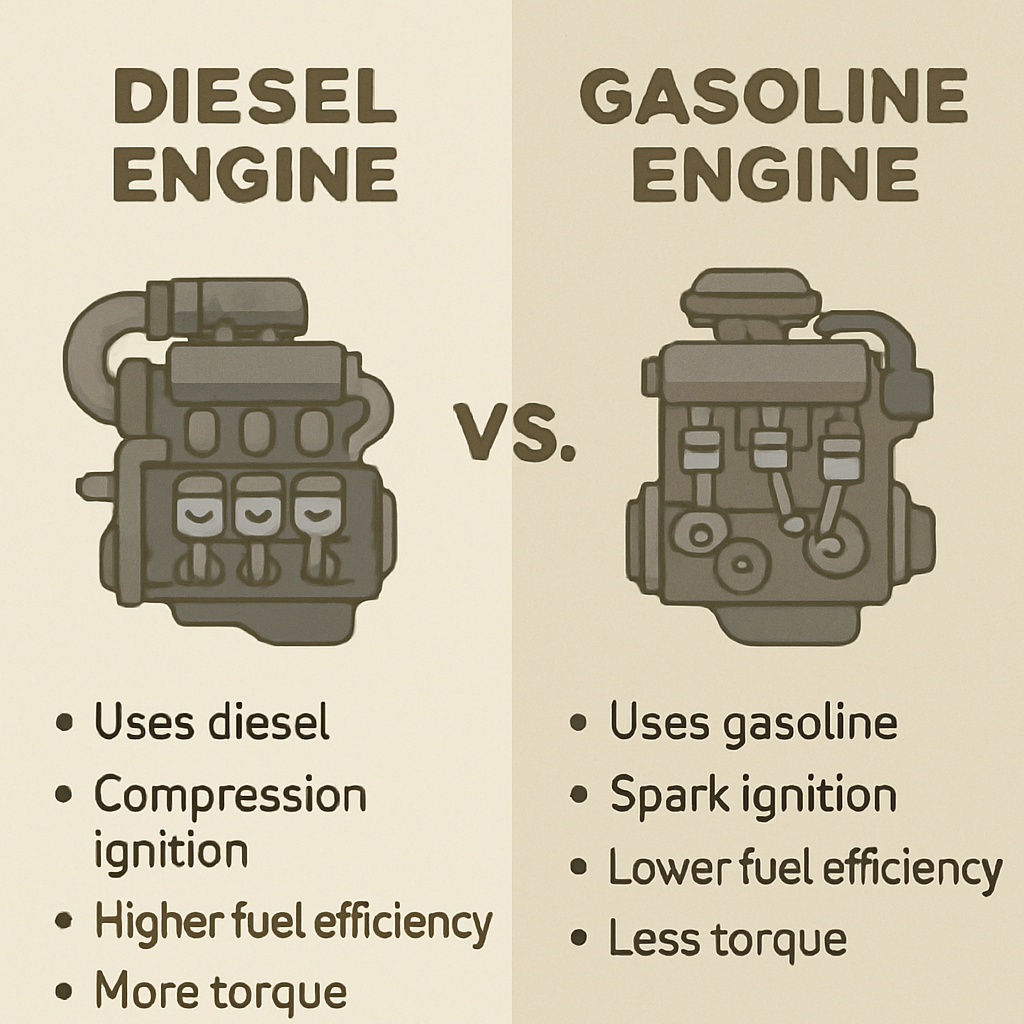
Even though diesel repairs can cost more, diesel engines offer long-term value.
Here is how they compare:
Diesel Advantages:
- Longer engine lifespan
- Better fuel efficiency (especially for towing)
- Higher torque for heavy loads
- Strong resale value
Diesel Drawbacks:
- Higher repair costs
- More complex systems
- Emissions-related issues
So, are diesel engines more expensive to repair? Yes, but they are often more cost-effective over time for drivers who use them properly.
How to Keep Diesel Repair Costs Lower
You cannot eliminate repair costs, but you can control them.
Here are practical ways to reduce diesel engine repair costs:
1. Stay on Schedule With Maintenance
Routine service prevents major issues.
Focus on:
- Oil changes
- Filter replacements
- Fluid checks
2. Address Problems Early
Small issues become expensive if ignored.
If you notice:
- Warning lights
- Power loss
- Strange noises
Get diagnostics done right away.
3. Use a Diesel Specialist
Not all shops are equipped for diesel work.
A diesel-focused shop can:
- Diagnose issues accurately
- Avoid unnecessary repairs
- Provide better long-term solutions
4. Pay Attention to Driving Habits
Avoid:
- Overloading beyond limits
- Ignoring warm-up time
- Aggressive driving under heavy load
These habits reduce stress on the engine.
5. Keep the Emissions System Healthy
DPF and EGR systems need proper operation.
Simple steps:
- Avoid short trips only
- Allow proper regeneration cycles
- Follow service recommendations
When Should You Expect Higher Repair Costs?
There are certain times when higher repair cost estimates are more likely:
- After 100,000 miles
- When maintenance has been skipped
- When warning signs are ignored
- When using the truck for heavy-duty work daily
Planning for these periods helps avoid financial surprises.
The Bottom Line for Georgia Diesel Drivers
Diesel engines can be more expensive to repair, but they are also built to last longer and handle more demanding work.
If you rely on your truck for towing, hauling, or daily driving, diesel can still be the smarter investment—as long as you stay on top of maintenance and choose the right repair shop.
Understanding average diesel engine repair costs by mileage and acting early when issues arise can make a big difference in your total ownership cost.
Get Accurate Repair Estimates From Allatoona Diesel
If you are dealing with warning lights, performance issues, or just want a clear idea of your diesel engine repair costs, it is best to get your truck checked by experienced diesel technicians.
Allatoona Diesel provides diagnostics, maintenance, and repair services for light-duty diesel trucks in the Atlanta area. Whether you need a full inspection or help with a specific issue, their team focuses on accurate testing and honest recommendations.Call (844) 490-4800 or email service@allatoonadiesel.com to schedule your service today and get reliable answers about your diesel truck.