
A cracked engine block is one of the most serious problems a diesel truck owner can face. It can affect coolant flow, oil pressure, compression, and overall engine performance. If ignored, it can turn into a major failure that leaves your truck unsafe to drive and expensive to restore.
If you are searching for how to repair a cracked engine block, it is important to understand one thing first: this is not a simple surface repair. A cracked block needs proper inspection, accurate diagnostics, and the right repair method based on the location and severity of the damage.
For diesel truck owners, especially those who depend on their vehicle for work, towing, hauling, or daily driving, fast and correct action matters. Here is what you need to know about engine block repair and when to call a professional diesel repair shop.
What Is an Engine Block?
The engine block is the main structure of your engine. It houses key components like the cylinders, pistons, crankshaft, coolant passages, and oil passages. Because diesel engines handle high pressure, heat, and heavy loads, the block must stay strong and sealed.
When the block cracks, fluids can leak where they should not. Coolant may enter the oil system. Oil may leak externally. Compression may drop. The truck may overheat, smoke, lose power, or refuse to run properly.
That is why cracked engine block repair should never be delayed.
Common Signs of a Cracked Engine Block
A cracked engine block does not always show up as one obvious problem. Sometimes, the signs are easy to confuse with head gasket failure, coolant leaks, or other engine issues. This is why professional diagnostics are so important.
Some common warning signs include:
- Coolant leaking under the truck
- Engine overheating often
- White smoke from the exhaust
- Milky oil or coolant mixed with oil
- Low coolant with no clear leak
- Poor engine performance
- Rough idle or misfires
- Visible cracks or staining on the block
If you notice any of these symptoms, avoid pushing the truck harder. Continuing to drive may make the damage worse.
What Causes a Diesel Engine Block to Crack?
Diesel engines are built to work hard, but they are still vulnerable to heat, pressure, and poor maintenance. One of the most common causes of a cracked block is overheating. When metal expands beyond its safe range and cools unevenly, cracks can form.
Low coolant, failed water pumps, clogged radiators, bad thermostats, or neglected coolant service can all lead to overheating. Freezing temperatures can also cause damage if the cooling system does not have the right antifreeze mixture.
Heavy towing, engine stress, poor previous repairs, or manufacturing defects can also play a role. In many cases, the crack is not the first problem. It is the result of another issue that went unresolved for too long.
How to Repair a Cracked Engine Block
If you are wondering how to repair a cracked engine block, the answer depends on the size, depth, and location of the crack. Not every cracked block can be repaired safely. Some need replacement.
A professional technician will usually begin with a full inspection. This may include pressure testing the cooling system, checking for internal leaks, inspecting the oil and coolant, and using diagnostic tools to rule out related issues.
Once the crack is confirmed, repair options may include:
- Metal stitching or pinning
- Welding, depending on block material and location
- Cold repair methods for certain cracks
- Epoxy repair for limited non-structural damage
- Full block replacement when damage is too severe
While temporary sealers exist, they are not a dependable long-term solution for diesel trucks. They may slow a leak for a short time, but they do not fix the structural problem. For work trucks, tow rigs, and diesel pickups, a shortcut can lead to bigger costs later.
Can You Repair a Cracked Engine Block Yourself?
Some truck owners search for ways to repair cracked engine block problems at home. While basic inspection is fine, the actual repair is usually not a DIY job. Diesel engines require careful testing, proper tools, and experience with internal engine systems.
A small mistake can cause more damage. For example, sealing the wrong area may trap pressure in the cooling system. Welding without proper preparation can weaken the block. Reassembling parts incorrectly may cause leaks, overheating, or engine failure.
If your truck is valuable, used for work, or needed for towing, it is smarter to have the issue inspected by diesel repair experts.
When Is Engine Block Replacement Better Than Repair?
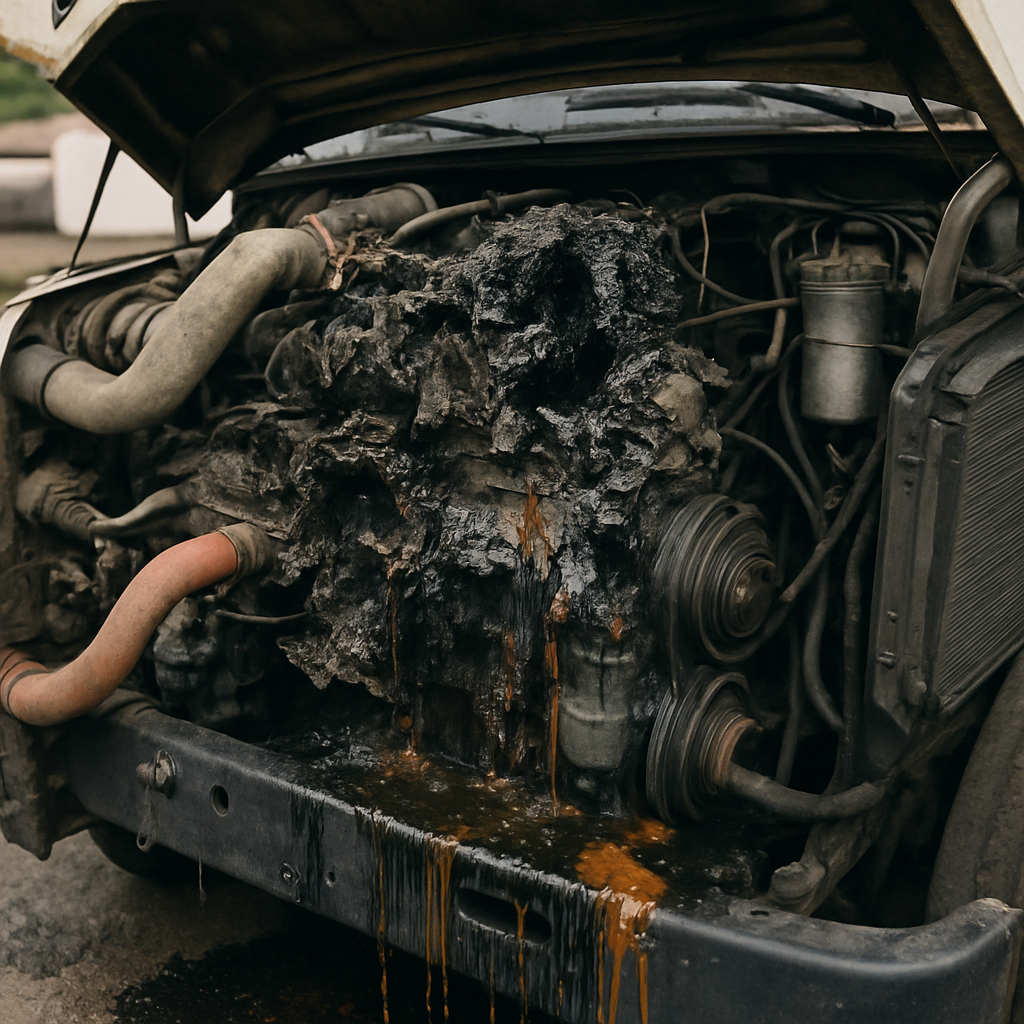
Not every block is worth repairing. If the crack is deep, located near a high-stress area, or connected to major internal damage, replacement may be the better choice. A repair that does not hold can cost you more in the long run.
Replacement may also be recommended if the engine has severe overheating damage, warped surfaces, damaged cylinders, or signs of contamination between oil and coolant. In these cases, the goal is not just to patch the crack. The goal is to restore the engine’s reliability.
A trusted diesel shop can help you compare repair costs, replacement costs, and long-term value.
Why Proper Diagnostics Matter First
Before starting any engine block repair, the cause of the crack must be found. If the truck overheated because of a bad cooling system, that problem also needs to be fixed. Otherwise, the repaired or replaced block may fail again.
That is why diagnostics are the first step. A good repair process looks at the full system, not just the visible crack. This includes coolant service, oil condition, pressure levels, related gaskets, and other engine components.
For diesel trucks, this level of care is especially important because the engine works under heavy pressure and heat.
How to Prevent Future Engine Block Problems
Some engine block cracks happen suddenly, but many can be prevented with better maintenance. Routine service helps catch small problems before they turn into major repairs.
Truck owners should stay on top of:
- Coolant checks and coolant service
- Oil and fluid changes
- Overheating issues
- Radiator and hose inspections
- Thermostat and water pump concerns
- Warning lights and performance changes
If your truck runs hotter than normal, loses coolant, or starts smoking, do not wait. Early repairs are usually easier and less costly than major engine damage.
Trust Allatoona Diesel for Cracked Engine Block Repair
A cracked engine block is serious, but the right repair shop can help you make the best decision for your truck. Whether your diesel pickup needs diagnostics, cracked engine block repair, cooling system service, or complete engine repair, Allatoona Diesel is ready to help.
Allatoona Diesel serves truck owners in Acworth, GA and the surrounding areas with expert diesel repair and maintenance. Their team works on light-duty diesel trucks and focuses on diagnosing problems correctly before recommending the right repair.
If you suspect a cracked engine block, do not wait until the damage gets worse. Call Allatoona Diesel today at (678) 374-3518 or email service@allatoonadiesel.com to schedule service and get your truck checked by experienced diesel repair professionals.