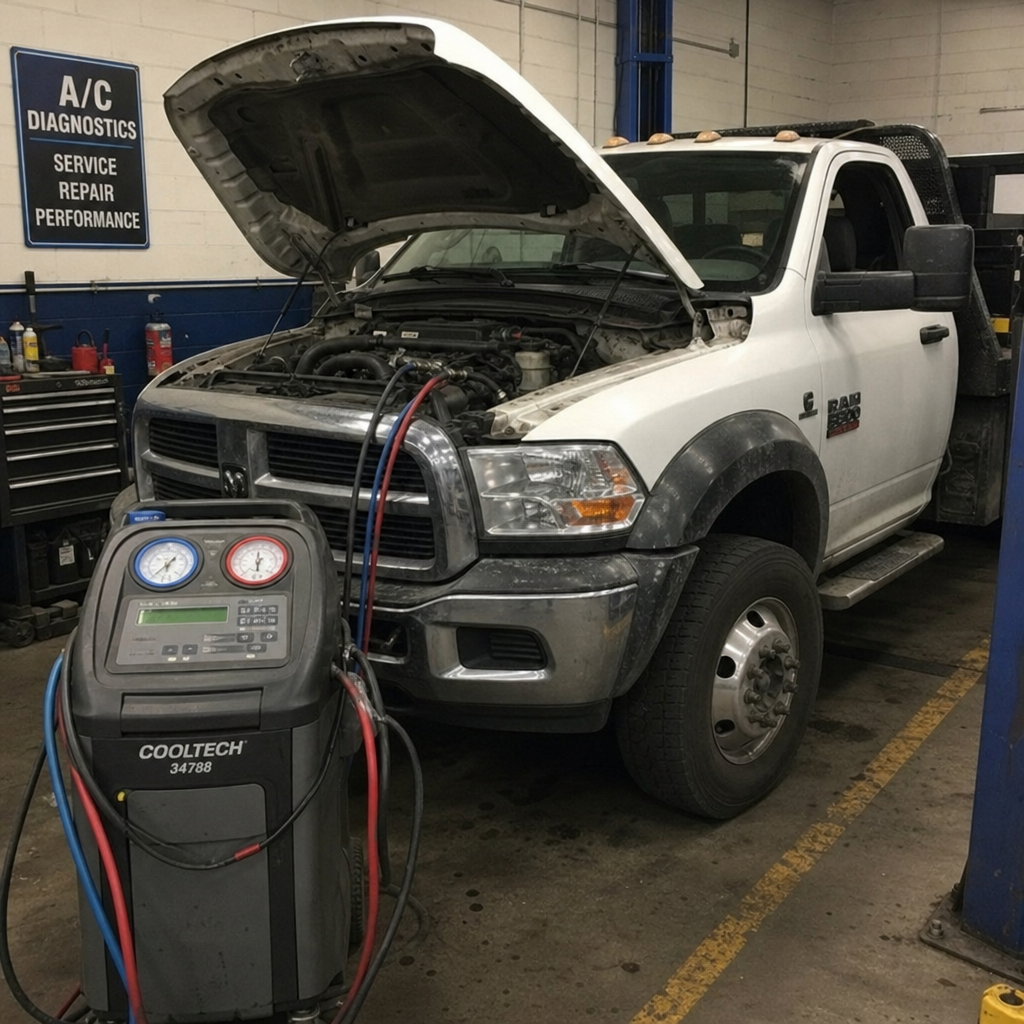
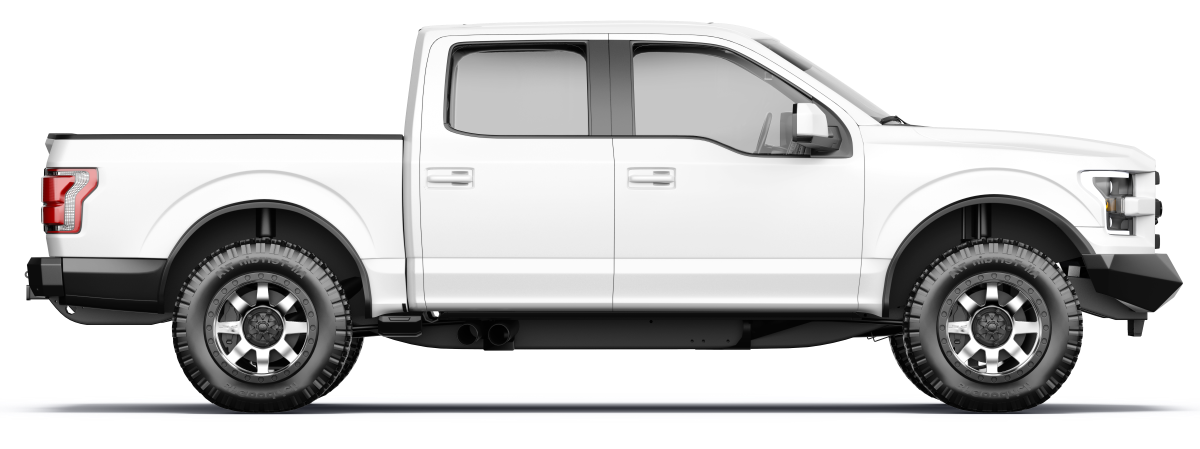
A diesel truck works hard whether you use it for towing, hauling equipment, commuting, or getting to job sites around Acworth. With that workload comes extra stress on the tires, steering, and suspension. When the wheels are no longer properly aligned, the effects can show up through uneven tire wear, poor handling, and a truck that constantly pulls to one side.
So, how often should you schedule a diesel truck alignment in Acworth? There is no single interval that works for every truck. Your driving conditions, mileage, suspension condition, tires, and how you use your vehicle all affect how quickly alignment can change. Understanding the warning signs and knowing when to have your alignment checked can help protect your tires, improve handling, and prevent unnecessary wear on other components.
What Is a Diesel Truck Alignment?
Wheel alignment involves adjusting the angles of the wheels so they meet the manufacturer’s specifications. These angles determine how your tires contact the road and how the truck responds when you steer.
The three primary alignment measurements are:
- Camber: The inward or outward tilt of the tire when viewed from the front.
- Caster: The angle of the steering axis, which affects stability and steering.
- Toe: Whether the fronts of the tires point slightly inward or outward.
Even relatively small changes to these measurements can affect handling and tire wear. A diesel truck alignment is particularly important because diesel pickups may regularly carry additional weight or tow trailers, placing more stress on suspension and steering components than normal passenger-car driving.
How Often Should You Check Your Truck’s Alignment?
There isn’t a universal mileage interval for every diesel pickup. A practical approach is to have the alignment inspected periodically as part of your overall maintenance plan and whenever the truck develops symptoms. Your owner’s manual and tire manufacturer’s recommendations should also guide your maintenance schedule.
A truck driven primarily on smooth highways may hold its alignment longer than one that regularly travels over construction areas, rough roads, gravel, potholes, or job sites. Heavy towing and hauling can also place additional strain on steering and suspension components.
Consider having the alignment inspected when:
- You install a new set of tires.
- You notice uneven or accelerated tire wear.
- Steering or suspension components have been replaced.
- You hit a large pothole, curb, or road hazard.
- Your truck begins pulling or handling differently.
Including alignment checks with your other diesel truck services helps identify problems before they ruin an expensive set of tires.
Signs Your Diesel Truck Needs an Alignment
Your truck will often give you clues when the alignment has changed. Some symptoms are obvious, while others develop slowly enough that you may become accustomed to them.
Common warning signs include:
- The truck pulls consistently to the left or right.
- The steering wheel remains off-center while driving straight.
- One side or edge of a tire wears faster than the rest.
- Steering feels loose, unstable, or less predictable.
- Handling changes after hitting a pothole or curb.
Not every one of these symptoms automatically means the alignment is responsible. Tire balance problems, worn suspension parts, damaged wheels, or steering issues can create similar symptoms. A professional inspection can determine what’s actually causing the problem.
Why Acworth Driving Conditions Matter
Everyday driving can gradually affect alignment. Potholes, road debris, curbs, uneven pavement, and construction zones can create enough impact to change wheel angles or damage steering and suspension components.
Trucks that travel between paved roads and job sites may experience even greater stress. Add towing, hauling, and heavier tires into the equation, and regular inspections become more important.
For drivers looking for diesel truck alignment in Acworth, paying attention to how and where the truck is used is often more useful than relying exclusively on mileage. A working diesel pickup exposed to rough surfaces every week may need attention sooner than a similar truck primarily used for highway driving.
When Should You Get an Alignment Checked?
Certain situations make an alignment inspection particularly worthwhile.
1. After Hitting a Major Pothole or Curb
A hard impact can knock the wheels out of alignment or damage suspension components. You may not see visible damage immediately, but pulling, steering changes, or new vibrations afterward deserve attention.
2. When Installing New Tires
New tires are an investment. Checking alignment when replacing tires can help prevent an existing problem from creating premature or uneven wear on your new set.
3. After Steering or Suspension Repairs
Replacing components such as tie rods, ball joints, or other steering and suspension parts can affect wheel geometry. Depending on the repair, an alignment may be needed afterward to return everything to specification.
4. When Your Truck Starts Pulling
If you’re constantly correcting the steering wheel to keep your truck traveling straight, have the cause diagnosed. Waiting can lead to additional tire wear and may allow an underlying steering or suspension issue to become worse.
How Poor Alignment Damages Your Tires
One of the biggest reasons to stay ahead of alignment problems is tire cost. When your wheels aren’t positioned correctly, the tires don’t contact the road evenly. One edge may carry more of the load, causing it to wear much faster than the rest of the tread.
Common alignment-related tire wear can include excessive inner-edge or outer-edge wear and irregular wear across the tread. Once significant tread has been lost, correcting the alignment cannot restore it, meaning tire replacement may still be necessary.
Keeping your diesel truck alignment within specification helps you get more value from your tires while supporting predictable handling.
Does Towing Affect Truck Alignment?
Towing doesn’t automatically cause an alignment problem, but trucks that tow frequently experience additional loads on their suspension and steering systems. The effect can become more noticeable if components are already worn or if the truck is routinely carrying loads outside the manufacturer’s recommended limits.
A truck that frequently tows trailers, equipment, or other heavy loads may benefit from more regular steering, suspension, tire, and alignment inspections. Proper heavy-duty alignment service should consider how the truck is actually used rather than treating every vehicle exactly the same.
Alignment Problems May Point to Other Repairs
Sometimes an alignment issue is only part of the problem. Worn ball joints, tie rods, wheel bearings, shocks, or other suspension and steering components can prevent a technician from properly aligning the truck.
A complete inspection may therefore include checking:
- Steering components for looseness or excessive wear.
- Suspension parts for damage.
- Wheel bearings and related hardware.
- Tires for unusual wear patterns.
- Wheels for damage caused by impacts.
If a component is worn or damaged, it may need to be repaired before the truck can hold the correct alignment. Simply adjusting wheel angles without correcting the underlying problem may only provide a temporary solution.
Can Proper Alignment Improve Your Driving Experience?
Correct alignment contributes to much more than tire life. A properly aligned truck should feel predictable and stable, without requiring constant steering corrections to maintain a straight path.
Proper alignment can also reduce unnecessary tire drag. While many factors influence fuel economy, keeping tires properly inflated, maintained, and aligned helps your truck operate as efficiently as possible.
Most importantly, predictable steering and even tire contact contribute to safer everyday driving, particularly when towing or carrying a load.
Don’t Wait Until Your Tires Are Worn Out
Alignment problems are easy to postpone because your truck may still run normally. However, the longer you drive with incorrect alignment, the more unnecessary wear you may place on your tires and related components.
Inspect your tires regularly and pay attention to changes in steering and handling. If one edge of the tread is disappearing faster than the other or your truck suddenly starts pulling, schedule an inspection rather than waiting until tire replacement becomes unavoidable.
Preventive alignment checks can help you identify the cause early and protect the money you’ve invested in your truck and tires.
Schedule Diesel Truck Service With Allatoona Diesel
If your truck is pulling, wears tires unevenly, or simply doesn’t handle the way it used to, it’s time to have the problem inspected.
Allatoona Diesel provides professional diesel truck services for drivers in Acworth, GA, and surrounding areas. Their experienced team can inspect steering, suspension, tires, and related components to determine what’s affecting your truck’s performance and recommend the appropriate service.
For drivers looking for reliable diesel truck alignment in Acworth, diesel truck alignment, or professional heavy-duty alignment assistance, addressing the problem early can help protect your tires and keep your truck handling properly.
Contact Allatoona Diesel today at (678) 374-3518 or email service@allatoonadiesel.com to schedule service and keep your diesel truck ready for the road.