
Regular oil changes are one of the most important parts of diesel truck maintenance. Diesel engines operate under high compression and demanding conditions, and their oil helps lubricate moving components, control heat, suspend contaminants, and protect against premature wear.
If you have searched how to do an oil change diesel engine owners can perform, the basic process may appear straightforward: drain the old oil, replace the filter, and add fresh oil. In practice, however, a proper diesel engine oil change requires the correct oil specification, filter, capacity, service procedure, and inspection of the vehicle.
Understanding what happens during an oil change, how often it should be performed, and why professional service matters can help you make better maintenance decisions for your diesel truck.
Why Diesel Engine Oil Changes Are So Important
Engine oil creates a protective film between moving metal components. Without adequate lubrication, friction and heat can increase quickly, accelerating wear throughout the engine.
Diesel engines also produce soot and other combustion byproducts that can enter the oil. Modern engine oils are designed to manage these contaminants, but they cannot do so indefinitely. Over time, the oil becomes contaminated and its protective additives become depleted.
A timely diesel oil change helps:
- Maintain proper lubrication throughout the engine
- Remove accumulated soot and contaminants
- Reduce unnecessary internal engine wear
- Support consistent engine performance
- Protect expensive components from premature damage
Oil service also gives technicians an opportunity to look for leaks, unusual fluid conditions, and other warning signs before they become more serious.
How Often Does a Diesel Truck Need an Oil Change?
There is no universal oil change frequency that applies to every diesel truck. Your vehicle manufacturer’s maintenance schedule should always be the starting point because the recommended interval can vary significantly by engine, model, year, and oil specification.
How you use the truck also matters. You may need more frequent attention if your diesel regularly experiences:
- Heavy towing or hauling
- Long periods of idling
- Frequent short-distance trips
- Stop-and-go driving
- Dusty or dirty job sites
- Other severe operating conditions
Some modern trucks use oil-life monitoring systems to help determine when service is needed. These systems are useful, but owners should still understand and follow the manufacturer’s maintenance requirements.
A diesel technician can also help establish an appropriate schedule based on your truck’s mileage, workload, operating conditions, and service history.
How to Do an Oil Change on a Diesel Engine
For truck owners researching how to do an oil change diesel engine maintenance correctly, the general process involves several important steps. Exact procedures vary by vehicle, so manufacturer instructions should always take priority.
1. Verify the Correct Oil and Filter
Before draining anything, confirm the oil viscosity, required specifications, capacity, and correct filter for the engine.
Diesel engines may require lubricants that meet specific manufacturer or industry standards. Choosing oil based only on viscosity isn’t always enough, particularly with modern diesel engines and emissions systems.
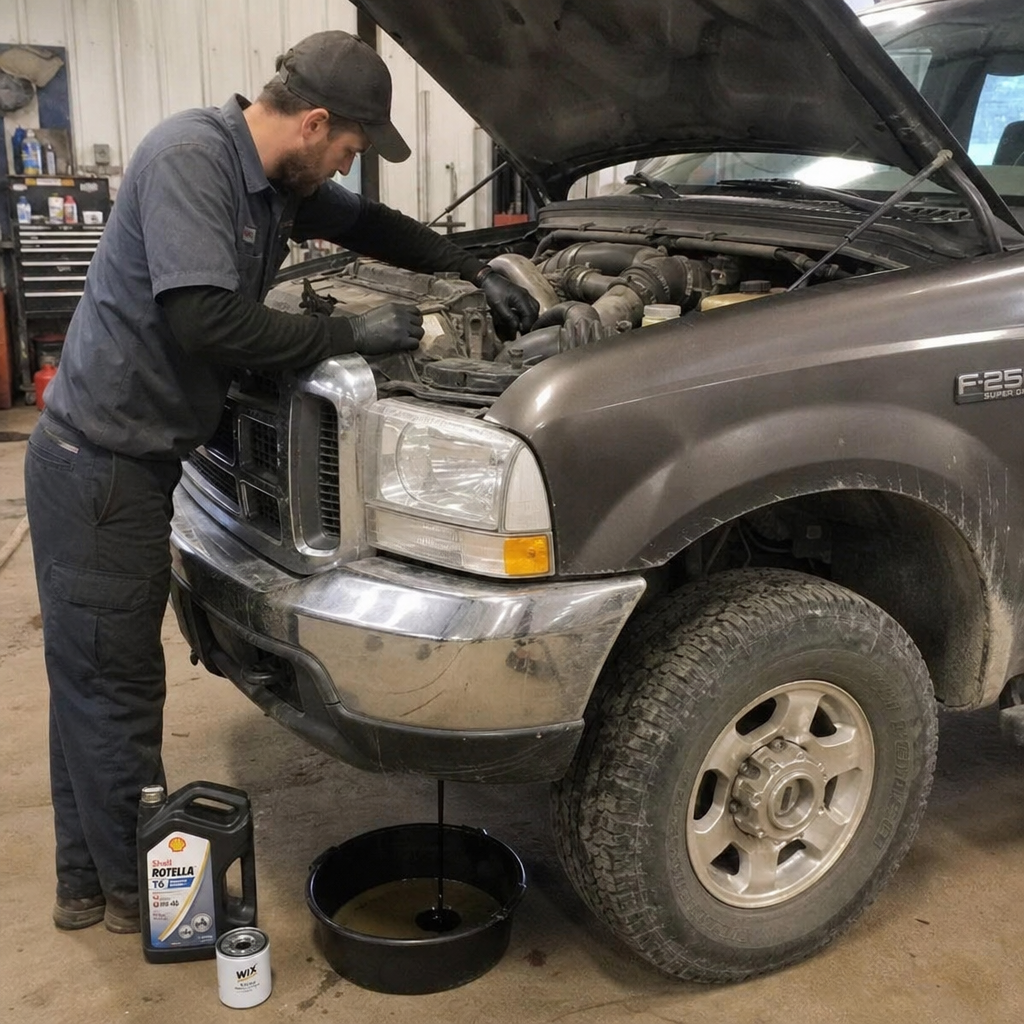
2. Drain the Used Engine Oil
The truck must be safely positioned before the drain plug is removed and the old oil is collected in an appropriate container.
The condition of the used oil can provide useful information. Coolant contamination, excessive fuel dilution, unusual debris, or metallic particles may indicate problems that deserve further investigation.
3. Replace the Oil Filter
A complete diesel engine oil change should include replacement of the appropriate oil filter. The filter traps contaminants circulating through the lubrication system and eventually reaches the end of its useful service life.
Correct installation matters because a loose, damaged, incorrect, or improperly sealed filter can cause leaks and potentially serious lubrication problems.
4. Add the Correct Amount of Fresh Oil
After installing the drain plug and new filter correctly, fresh oil meeting the required specifications can be added.
The oil level must be checked according to the manufacturer’s procedure. Too little oil can reduce lubrication, while overfilling can also create engine problems.
5. Start the Engine and Perform Final Checks
Once the service is complete, the engine should be started and inspected for leaks around the filter, drain plug, and surrounding areas.
The oil level should then be rechecked as appropriate. On vehicles equipped with oil-life monitoring systems, the maintenance reminder may also need to be reset.
Why Choosing the Correct Diesel Oil Matters
Not every engine oil is suitable for every diesel truck. Modern diesel engines can place significant demands on their lubricants due to operating pressure, heat, soot production, turbocharging, and emissions-control equipment.
The correct oil must provide protection while meeting the specifications established for that particular engine.
When selecting oil, technicians consider factors such as:
- Manufacturer specifications
- Required viscosity
- Engine design and model year
- Operating conditions
- Applicable diesel oil performance standards
Using the proper oil helps protect the engine as intended. Professional service eliminates the guesswork involved in selecting from numerous oil products and specifications.
What Happens If You Wait Too Long?
Extending your oil change frequency beyond the recommended interval can allow contamination to increase while the oil’s protective properties decline.
Over time, neglected oil service may contribute to deposits, increased friction, accelerated wear, and other lubrication-related problems. The potential expense of repairing internal engine components makes routine oil changes a relatively small investment by comparison.
Truck owners should also watch for warning signs such as oil or maintenance lights, unusual engine noises, visible leaks, repeatedly low oil levels, or changes in performance. These symptoms don’t automatically mean old oil is responsible, but they should be investigated instead of ignored.
Why Professional Diesel Oil Change Service Matters
A DIY oil change can appear simple, particularly for experienced truck owners. However, professional service provides more than simply replacing old oil.
During a professional diesel oil change, technicians can verify that the correct oil and filter are being used while inspecting the vehicle for potential maintenance concerns.
Professional service can also provide:
- Proper tools and equipment for the vehicle
- Inspection for oil and fluid leaks
- Correct oil and filter selection
- Examination of the old oil for unusual conditions
- Proper handling of used oil and filters
For a truck used for towing, work, or frequent travel, these additional checks can be valuable. Finding a developing leak during an oil change is much better than discovering it after the truck has lost a significant amount of fluid.
Don’t Treat an Oil Change as Just an Oil Change
Routine oil service is also an opportunity to evaluate the general condition of your diesel truck. A worn belt, leaking hose, low fluid level, or developing cooling-system issue may not yet produce obvious symptoms from the driver’s seat.
Depending on the truck and its maintenance schedule, an appointment may provide an opportunity to inspect filters, belts, hoses, fluid levels, batteries, tires, and other components.
This doesn’t mean replacing parts unnecessarily. Instead, regular inspections help establish the condition of the truck and allow maintenance decisions to be based on actual wear and manufacturer recommendations.
Build an Oil Change Schedule Around Your Truck
The right oil change frequency should reflect your truck rather than someone else’s maintenance habits.
Start with the manufacturer’s recommended interval, then consider whether your driving qualifies as severe service. A truck that regularly tows equipment and spends hours idling may have different maintenance requirements from one that primarily travels unloaded on highways.
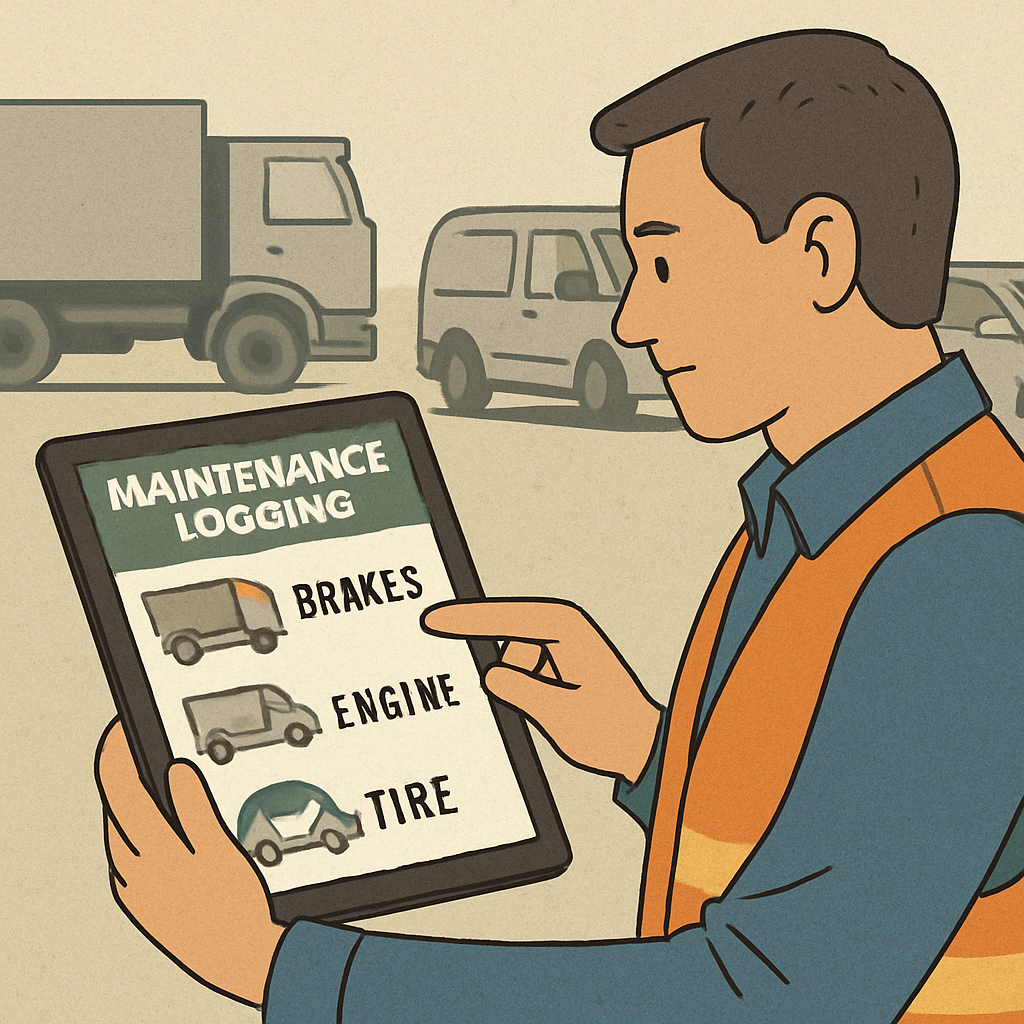
Keeping service records is also helpful. Record the:
- Date of each oil change
- Vehicle mileage
- Oil specification and viscosity used
- Filter replacement
- Other maintenance completed during the visit
A consistent service history makes it easier to know when maintenance is due and can provide useful information when diagnosing future problems.
Schedule Your Diesel Engine Oil Change With Allatoona Diesel
Keeping up with oil changes is one of the simplest ways to protect your diesel truck and support reliable engine performance. The right oil, correct filter, appropriate oil change frequency, and thorough service process all contribute to long-term engine care.
Allatoona Diesel provides professional diesel maintenance and repair services for truck owners in Acworth, GA, and surrounding areas. Their team can perform your diesel engine oil change while checking for leaks and other maintenance concerns that could affect your truck’s reliability.
Instead of guessing about oil specifications or waiting until a maintenance problem develops, put your diesel truck on a service schedule that matches how you actually use it.
For professional diesel oil change service and ongoing diesel truck maintenance, call Allatoona Diesel at (678) 374-3518 or email service@allatoonadiesel.com to schedule your next service.